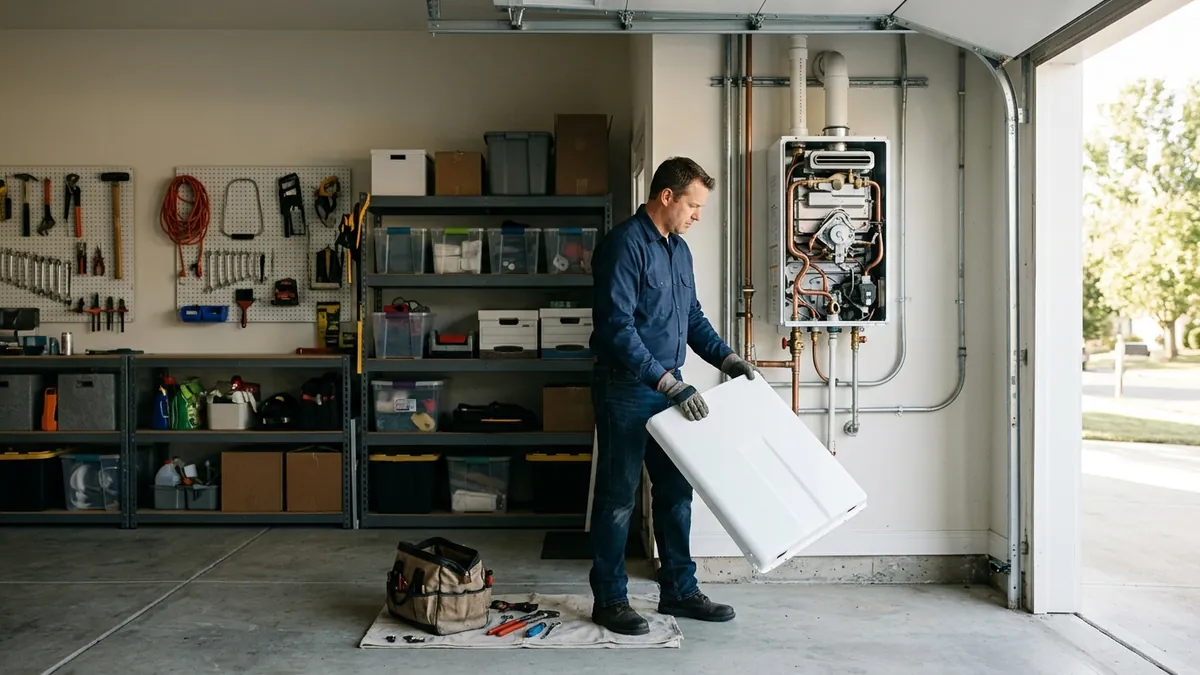
Tankless Water Heater Repair
Looking for tankless water heater repair? Read us the code, and a technician checks the supply, flow, vents and sensors, then changes only the part that failed, with the price on paper first. Available in 172 cities.
- Fault history read first
- Price in writing before work
- Gas and electric units
Diagnosis before parts
We confirm what failed by testing it, so you never pay for a guess or a part that wasn't needed.
You approve the cost
The repair and its price are spelled out on paper, and work begins only after you say yes.
Technicians near you
The person at your door works your area and repairs on-demand heaters week in, week out.
Only tankless repair
No tank heaters, no remodels. Gas and electric on-demand units are the whole job.
What We Fix on Tankless Units
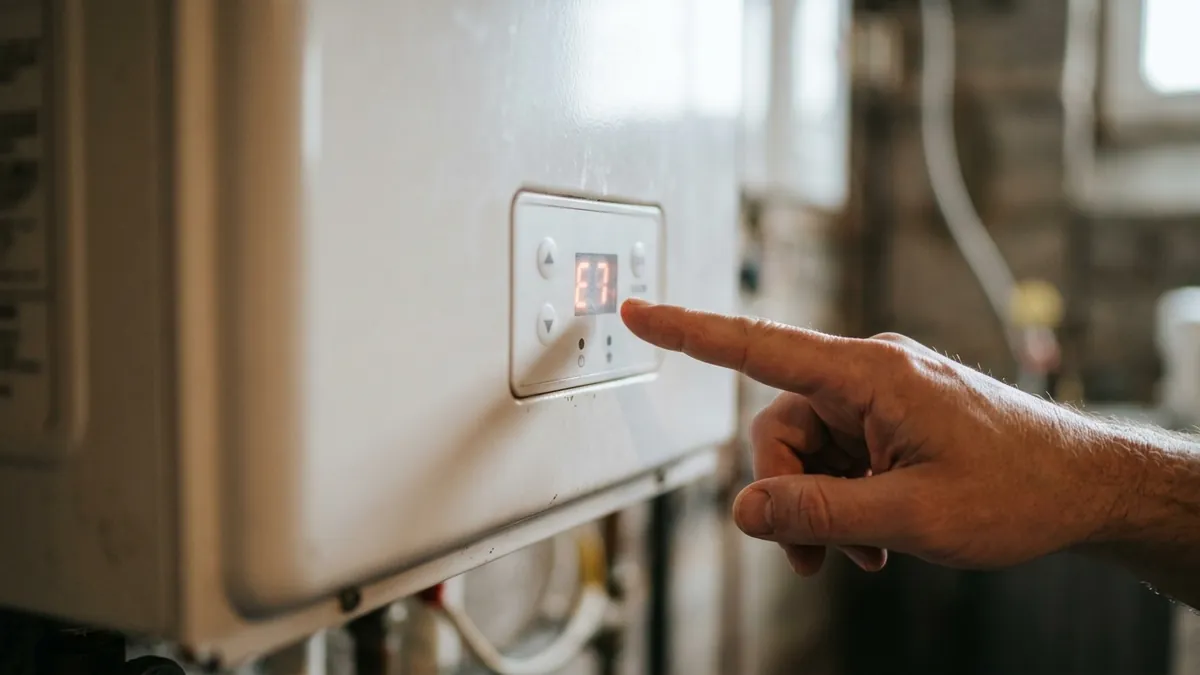
Fault codes & ignition
We trace codes such as 11, E003 and 111 to the real cause, whether that's gas supply, the igniter, the flame rod or a vent obstruction, and repair it.
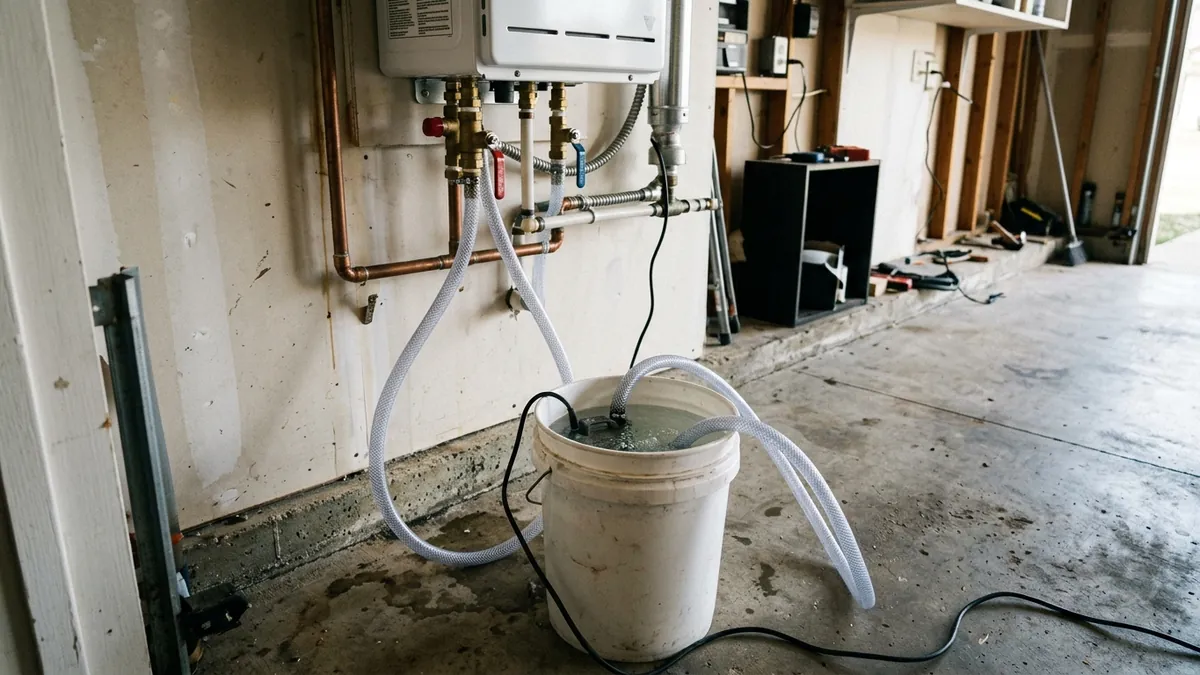
Descaling & flushes
Descaling solution is pumped through the exchanger via the service valves, and if your heater lacks valves, we can fit a set.
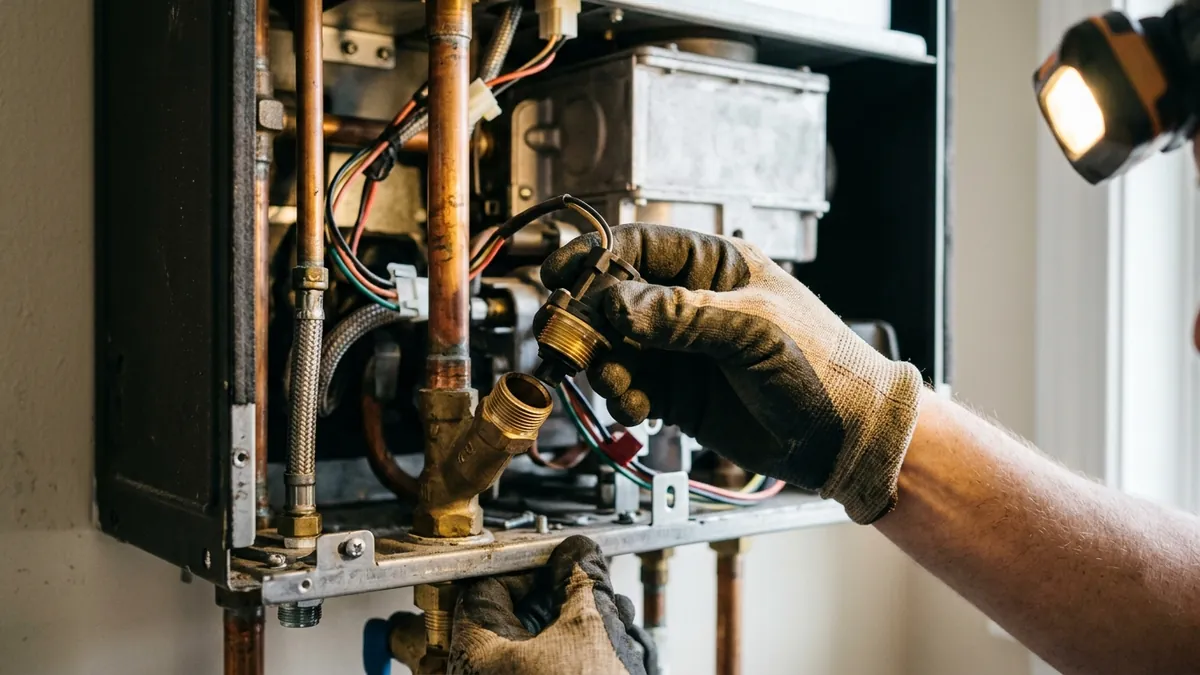
Flow sensors, screens & leaks
Heaters that quit partway through a shower or leave a puddle get the flow sensor, inlet screen, valves and joints checked and repaired.
Want someone local? Find a repair tech · Browse by state
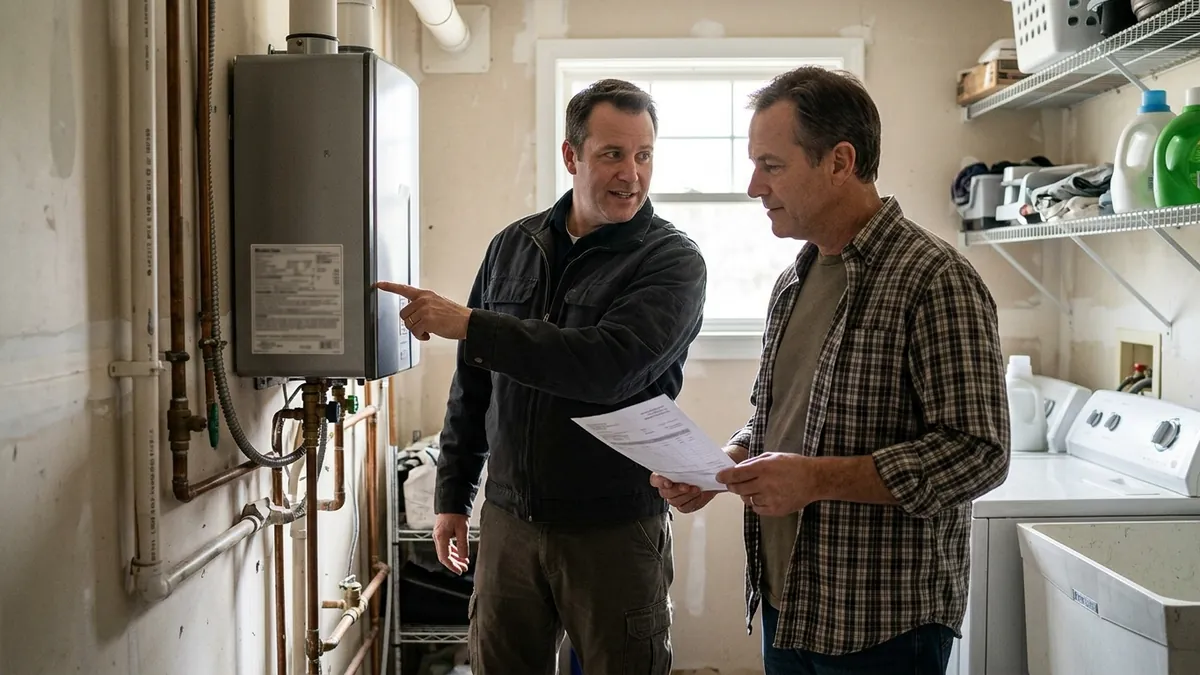
A Repair Service Built Around One Appliance
Tankless heaters fail in their own particular ways, so that is all we deal with. Our tankless water heater repair begins with the controller's stored faults, works through the gas or power supply, the water flow and the vents, and finishes with the single fix the evidence points to: a flame sensor, a flow sensor, a descale, or now and then a heat exchanger.
A flashing code usually means one fixable fault.
In most homes the culprit is a single worn component, a plugged inlet screen or mineral buildup in the exchanger. Replacing the heater is the last resort, raised only when a repair truly isn't sensible.
What You Can Expect From Us
Codes point, tests decide
A code tells us which system is complaining, not which part. Sensors, venting, flow and gas are all checked before anything is swapped.
No paying for good parts
A flame rod or flow sensor is measured against spec first, so you never pay to replace something that still works.
Scale handled at the source
When minerals caused the fault, the exchanger gets flushed as well, so the code doesn't reappear a few weeks later.
Tested at full flow
Before we leave, several fixtures run together while we watch the outlet temperature hold.
Typical Tankless Repair Prices
For tankless water heater repair, most households pay an estimated $150 to $800 in parts and labor. A descale is an estimated $150 to $350, and a heat exchanger swap an estimated $1,000 to $2,500.
Diagnostic visit
- Fault codes and log reviewed
- Burner gas pressure tested while firing
- Inlet screen, flow rate and vent inspected
- Clear explanation of what broke
Component repair & descale
- Igniter, flame sensor or thermistor changed
- Flow sensor diagnosed and replaced
- Exchanger flushed with descaling solution
- Every hot tap tested after the fix
Exchanger & major components
- Cracked or leaking exchanger swapped
- Maker's parts warranty checked first
- Gas valve or control board changed
- Combustion and temperature verified
These are estimated ranges for ordinary jobs. Your own price goes on paper after the fault is found.
From Your Call to a Hot Shower
- 1
Phone
Share the make, the code and the symptom. You hear what's most likely wrong and roughly what it costs.
- 2
Diagnose
Fault log pulled, gas pressure tested, then flow, venting and sensors worked through in sequence.
- 3
Approve
You see the failed component and its price on paper and decide whether to go ahead.
- 4
Repair & verify
The fix goes in, and the heater is tested with several taps open before we head out.
Faults We Fix All the Time
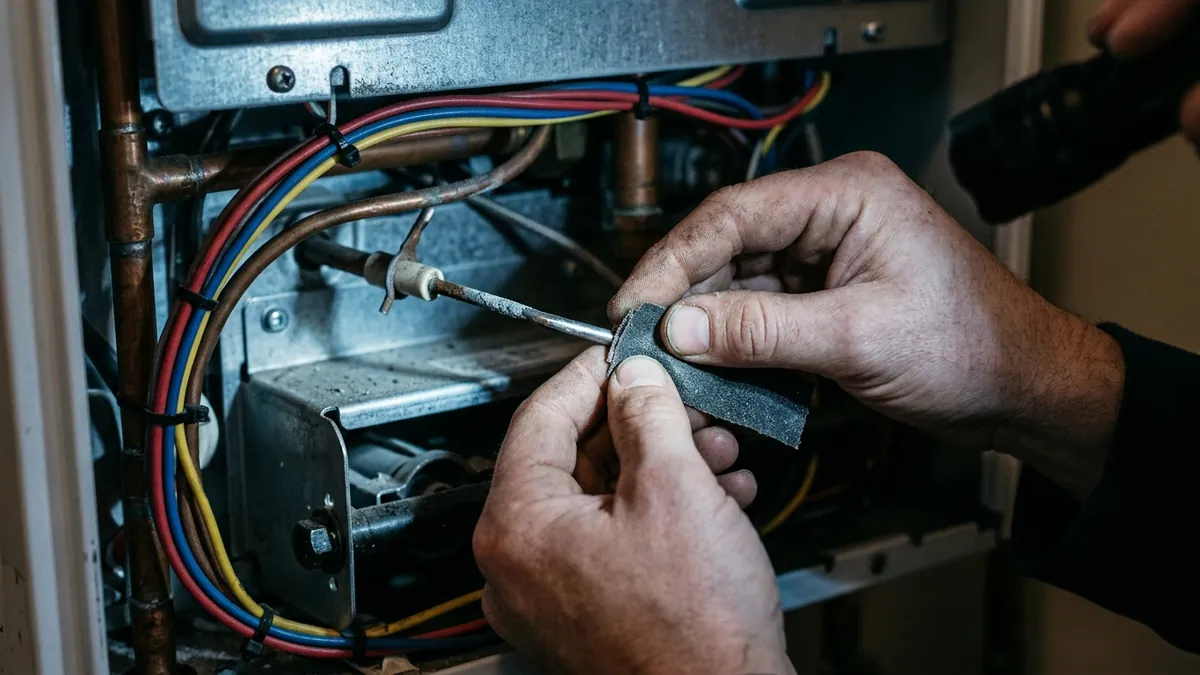
No-ignition code (11, E003, 111)
A no-ignition code points to low gas pressure, a sooted flame rod, a tired igniter or a vent obstruction, and we test each.
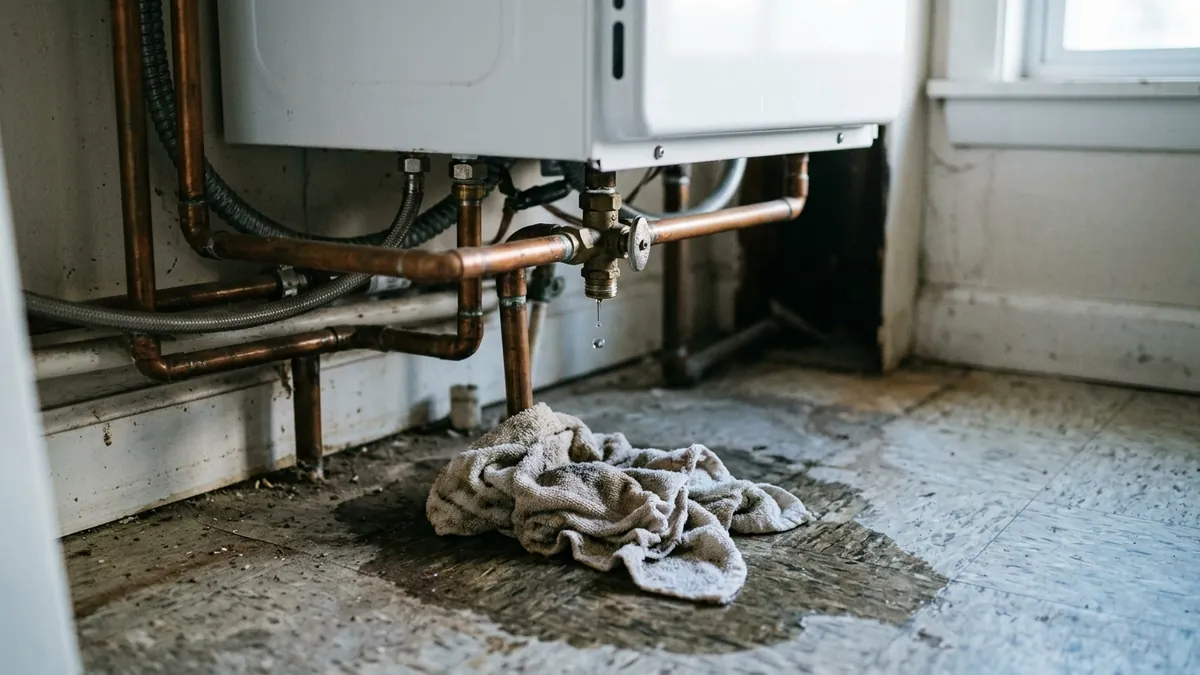
Puddle below the heater
Leaks start at service valves, pipe joints, the pressure relief valve, the condensate drain or a cracked exchanger.
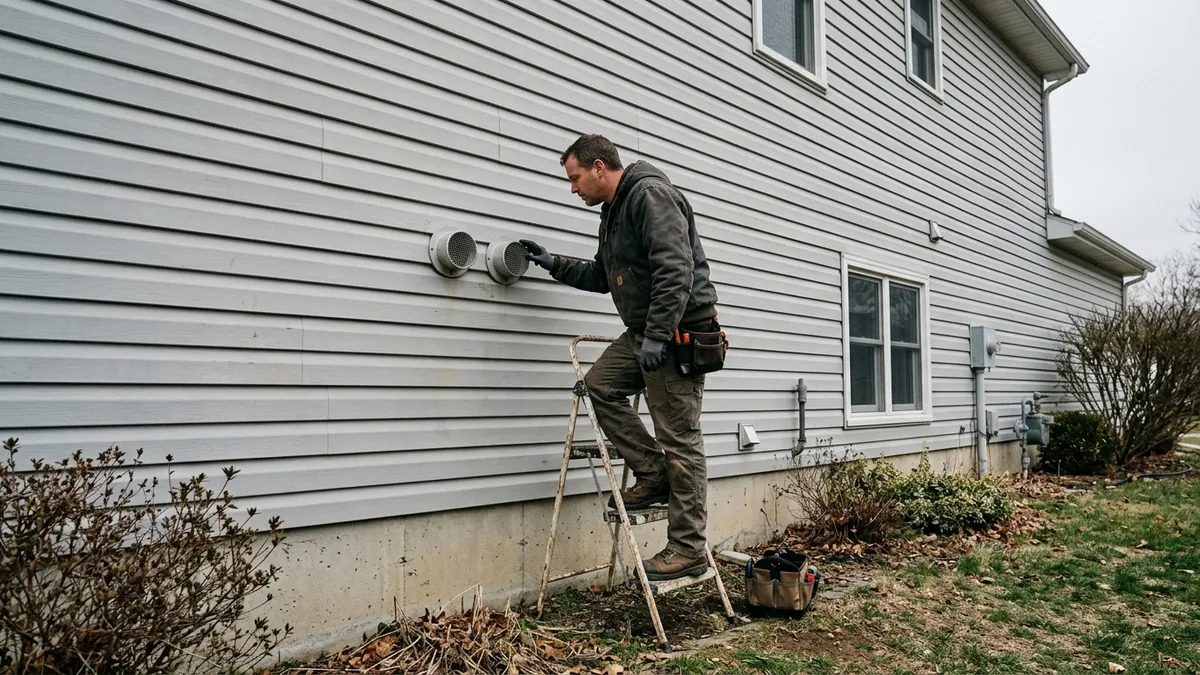
Code 10 or E110 on the panel
A venting code means the heater can't move air: a blocked cap, a bird or wasp nest, drifted snow or an overlong vent.
Only one faucet runs cold
Typically a worn mixing cartridge or a crossover at that fixture, rather than the heater itself.
Rinnai showing LC
That's the scale warning. The exchanger is due for a descale, and it shouldn't wait long.
Nothing on the display
The outlet has lost power, a fuse has blown, or the control board has failed.
No hot water after a freeze
A supply line froze, or the heater lost electricity and its freeze protection with it.
Whistling or rumbling
Mineral scale, a laboring fan or a gas regulator problem, all of which testing will reveal.
Same code after every reset
Resetting hides the symptom for a while. A recurring ignition or exhaust code needs a technician.
Find Your State
172 cities in 27 states, with more added every week.
Tankless Water Heater Repair: FAQs
Still unsure?
Phone us and describe what the unit is doing. A tankless tech can usually narrow it down while you are on the line.
Call (888) 987-0567What does tankless water heater repair usually cost?
Most tankless water heater repair comes to an estimated $150 to $800, depending on the part. A descale on its own is an estimated $150 to $350, and a heat exchanger an estimated $1,000 to $2,500. No work starts until you sign off a written price.
Can a broken tankless water heater be fixed?
Usually, yes. Flow sensors, igniters, thermistors, flame rods, blowers, gas valves and control boards can all be swapped, and mineral scale can be flushed out. The main exception is an older unit whose heat exchanger leaks.
What usually goes wrong with tankless water heaters?
Scale in the heat exchanger tops the list, then ignition faults, then flow sensor and inlet screen problems. Each usually announces itself with an error code or with water that runs hot and then fades.
Do tankless water heaters have a reset button?
Most reset by cycling the power or through the control panel. Resetting clears the code but not the underlying problem; ignition or exhaust codes that return call for a repair visit.
Why does my tankless heater alternate between hot and cold?
A short burst of cool water right after you reopen a tap is the heater relighting. If the temperature swings while the water keeps running, suspect flow under the minimum the heater needs, scale in the exchanger or a weak flow sensor.
Need Tankless Water Heater Repair? Call Now
At (888) 987-0567 you reach people who deal with on-demand heaters all day. Tell us what's happening and choose a time.